

AI-Powered Fleet Intelligence Across Industries: How Predictive Analytics Is Transforming Operations in 2026

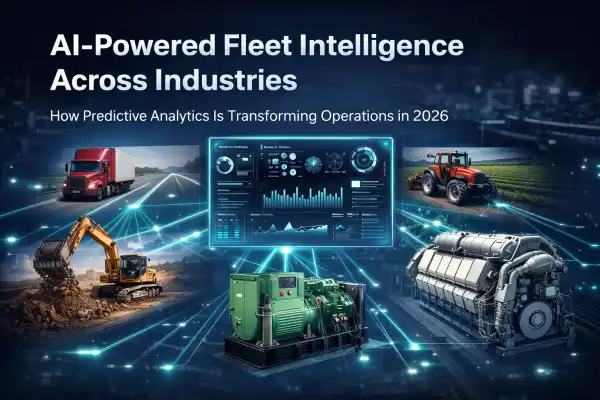
What Is Predictive Fleet Intelligence?
Definition
Predictive fleet intelligence uses AI, IoT sensors, and real-time data to monitor assets, predict failures, and optimize operations across vehicles and equipment.
Unlike traditional tracking systems, this approach focuses on:
- forecasting issues before they occur
- improving asset utilization across the fleet
- reducing downtime through proactive maintenance
- enabling data-driven decisions at scale
Why Every Industry Is Moving Toward Predictive Systems
Across sectors, operational inefficiencies typically stem from:
- unplanned downtime from unexpected equipment failure
- fuel wastage from inefficient routes and driver behavior
- poor asset utilization where equipment sits idle or underused
- lack of real-time visibility into fleet condition and location
Predictive systems address these by identifying anomalies early, optimizing usage patterns, and improving safety and compliance — before problems become operational disruptions.
Industry-Wise Impact of AI + Predictive Analytics
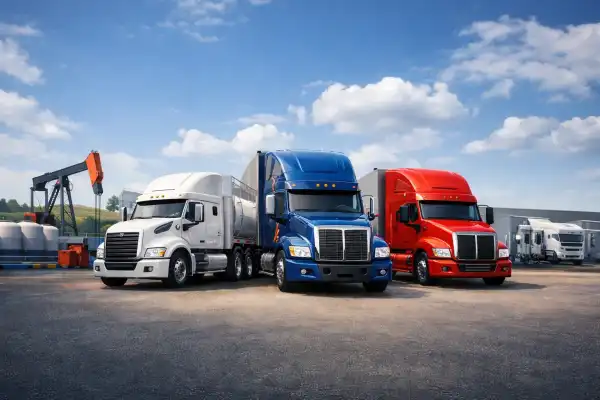
Trucking: Boost Fleet ROI with Predictive Intelligence
Trucking operations depend heavily on fuel efficiency, route optimization, and vehicle uptime. AI-driven systems help predict maintenance issues before breakdowns, reduce fuel theft and wastage through monitoring, and optimize routes dynamically based on real-time conditions.
Result: Higher ROI per vehicle and reduced operational costs.
Farming: Smarter, Data-Driven Agriculture
Modern farming requires precision. AI solutions enable equipment monitoring for tractors and harvesters, usage optimization to reduce idle time, and predictive maintenance scheduling. This ensures minimal downtime during critical planting and harvest seasons, and better resource utilization across the farm.

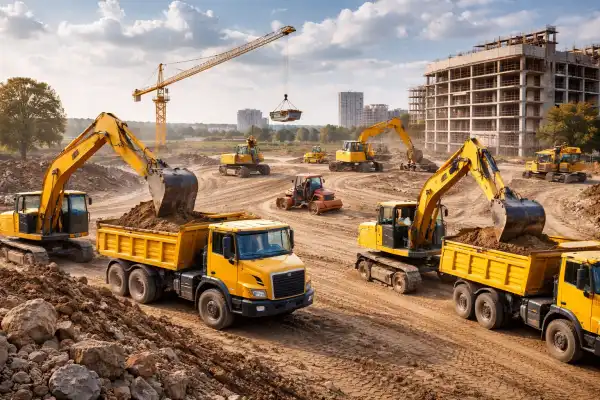
Construction: Maximize Asset Utilization
Construction equipment is often underutilized or poorly tracked across sites. With predictive analytics, equipment usage is monitored in real time, idle time is identified and reduced, and maintenance is scheduled proactively based on actual usage data rather than fixed intervals.
Result: More output with fewer assets.
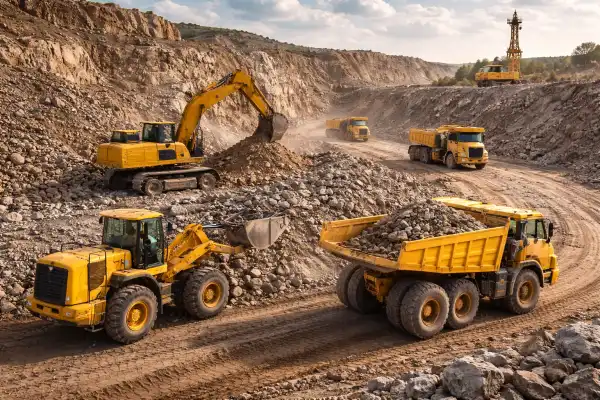
Mining: Built for Rugged Environments
Mining operations face extreme conditions where equipment failures are costly and dangerous. AI-powered systems help monitor heavy machinery health continuously, detect anomalies before they become breakdowns, and ensure continuous operation in remote environments where maintenance access is limited.
Result: Reduced downtime in high-risk, high-cost environments.
Oil & Gas: Efficiency at Scale
In oil & gas, even minor inefficiencies can scale into major losses across large fleets and remote operations. Predictive analytics enables fleet optimization, maintenance forecasting based on equipment condition, and operational visibility across distributed assets.
Result: Improved efficiency across large-scale, geographically dispersed operations.
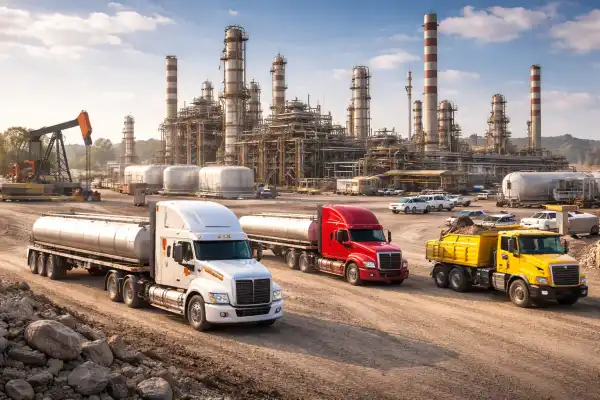
Transit: Keeping People Moving
Public and private transit systems require punctuality, safety, and route efficiency. AI helps monitor vehicle movement in real time, optimize schedules based on actual performance data, and improve passenger experience through reliable service delivery.
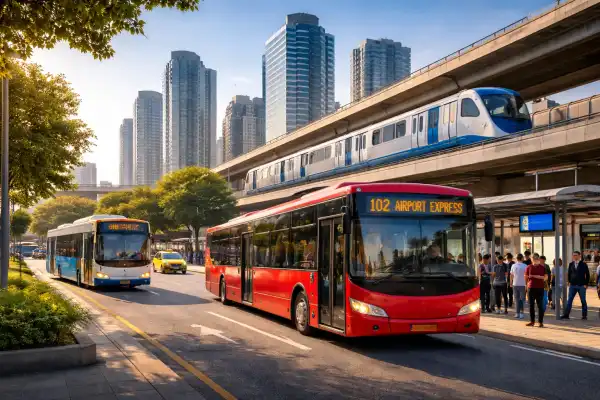
Marine Engines: Performance at Sea
Marine operations face unique challenges including remote environments and limited maintenance access. Predictive systems allow continuous engine health monitoring, early fault detection before failures occur at sea, and performance optimization for fuel efficiency.
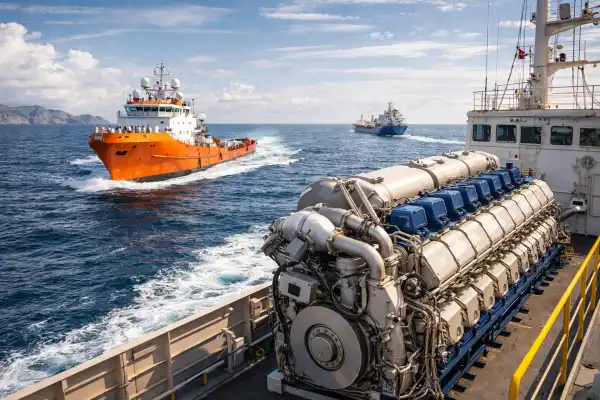
Gensets: Ensuring Power Continuity
Generators are critical for backup power and industrial operations where downtime is unacceptable. AI-driven monitoring ensures continuous uptime through early fault alerts, and optimized performance through data-driven maintenance scheduling.
Waste Management: Operational Efficiency at Scale
Waste fleets operate under tight schedules and high fuel usage across large geographic areas. Predictive analytics enables route optimization based on actual collection patterns, fuel monitoring to identify wastage, and maintenance planning to prevent breakdowns during critical collection windows.
Result: Lower costs and improved service efficiency.

Why Traditional Systems Are No Longer Enough
Basic tracking systems only provide location data. But modern operations require:
- Insights — understanding what the data means for operations
- Predictions — forecasting what will happen before it does
- Automation — acting on insights without manual intervention
This is the shift from tracking to intelligence — and it is the defining operational difference between leading and lagging fleets in 2026.
How Yatis Telematics Fits Across Industries
Yatis delivers AI-powered IoT solutions that go beyond tracking by providing:
- real-time asset visibility across all fleet types
- predictive maintenance insights based on actual equipment condition
- fuel and performance monitoring with anomaly detection
- centralized dashboards for multi-asset, multi-location operations
- industry-specific customization for unique operational requirements
What Makes It Different
Instead of a one-size-fits-all system, Yatis adapts to logistics, mining, agriculture, construction, energy, and transit — making it a unified intelligence platform across industries rather than a vertical-specific tool.
Frequently Asked Questions
Final Insight
Across industries, the future is not about more assets. It's about smarter utilization of existing assets.
AI-powered predictive systems are no longer optional — they are becoming the backbone of efficient operations. If you're exploring ways to improve operational efficiency, reduce downtime, and gain real-time control, it's worth considering platforms that combine AI, IoT, and predictive analytics into a single system.
Ready to move from tracking to intelligence?
Contact Yatis Telematics to learn how our AI-powered fleet intelligence platform can transform operations across your industry.
Contact Us →