

Best Cloud-Based Transport Management Solutions for Scalable Operations

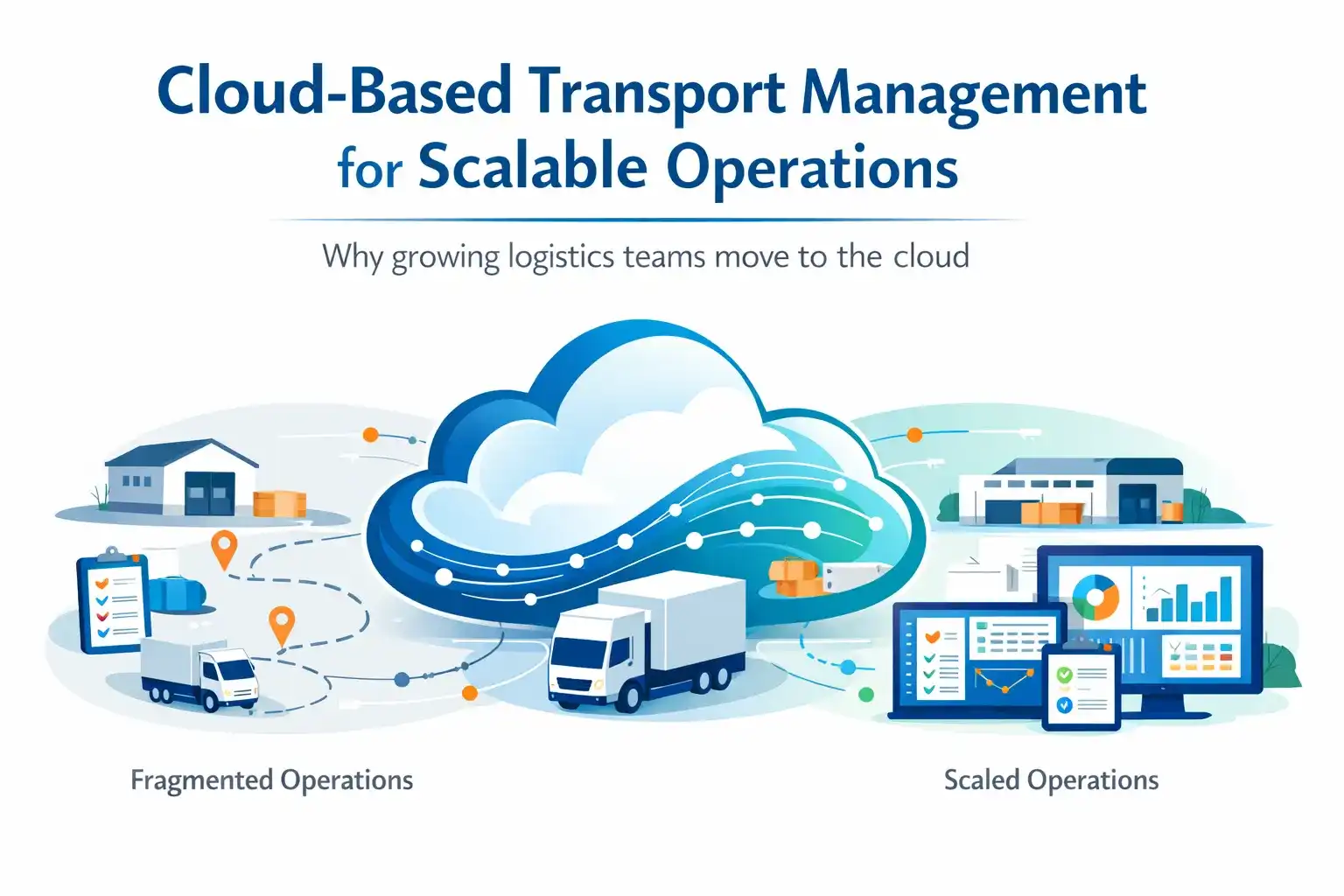
Cloud-based transport management solutions help growing logistics and transport businesses scale operations by centralising visibility, automating workflows, and enabling real-time decision-making. Unlike legacy on-premise systems, modern cloud TMS platforms support multi-location operations, integrate easily with other systems, and adapt as fleets grow—making them a practical choice for companies planning long-term expansion.
Why Cloud-Based Transport Management Is Replacing Legacy Systems
Transport operations today are fundamentally different from what legacy systems were built for. Traditional on-premise transport management software was designed for fixed fleet sizes, single or limited locations, and static routing and reporting. As operations scale, these systems begin to show clear limitations.
On-Premise Limitations
- High upfront infrastructure costs
- Slow upgrades and manual maintenance
- Limited remote accessibility
- Difficulty handling rapid fleet or route expansion
Scalability Challenges
Adding new vehicles, routes, warehouses, or regions often requires hardware upgrades, custom development, and operational downtime.
Real-Time Visibility Needs
Modern logistics depends on live vehicle status, dynamic route changes, and immediate exception handling. Legacy systems struggle to deliver real-time insights across distributed operations.
What Makes a Transport Management Solution Truly "Cloud-Based"
Architecture: Multi-Tenant vs Hosted
Multi-tenant cloud platforms are designed from the ground up for scale, flexibility, and shared infrastructure. Hosted systems are often legacy software simply moved to cloud servers. True cloud-based TMS platforms scale automatically, support frequent feature updates, and avoid performance bottlenecks as usage grows.
Real-Time Data Access
Cloud-native platforms provide continuous data synchronisation, anywhere/anytime access, and unified views across locations and fleets.
Update & Maintenance Model
Cloud systems receive regular updates without downtime, reduce dependency on internal IT teams, and evolve with regulatory and operational changes.
Key Capabilities Growing Logistics Operations Need
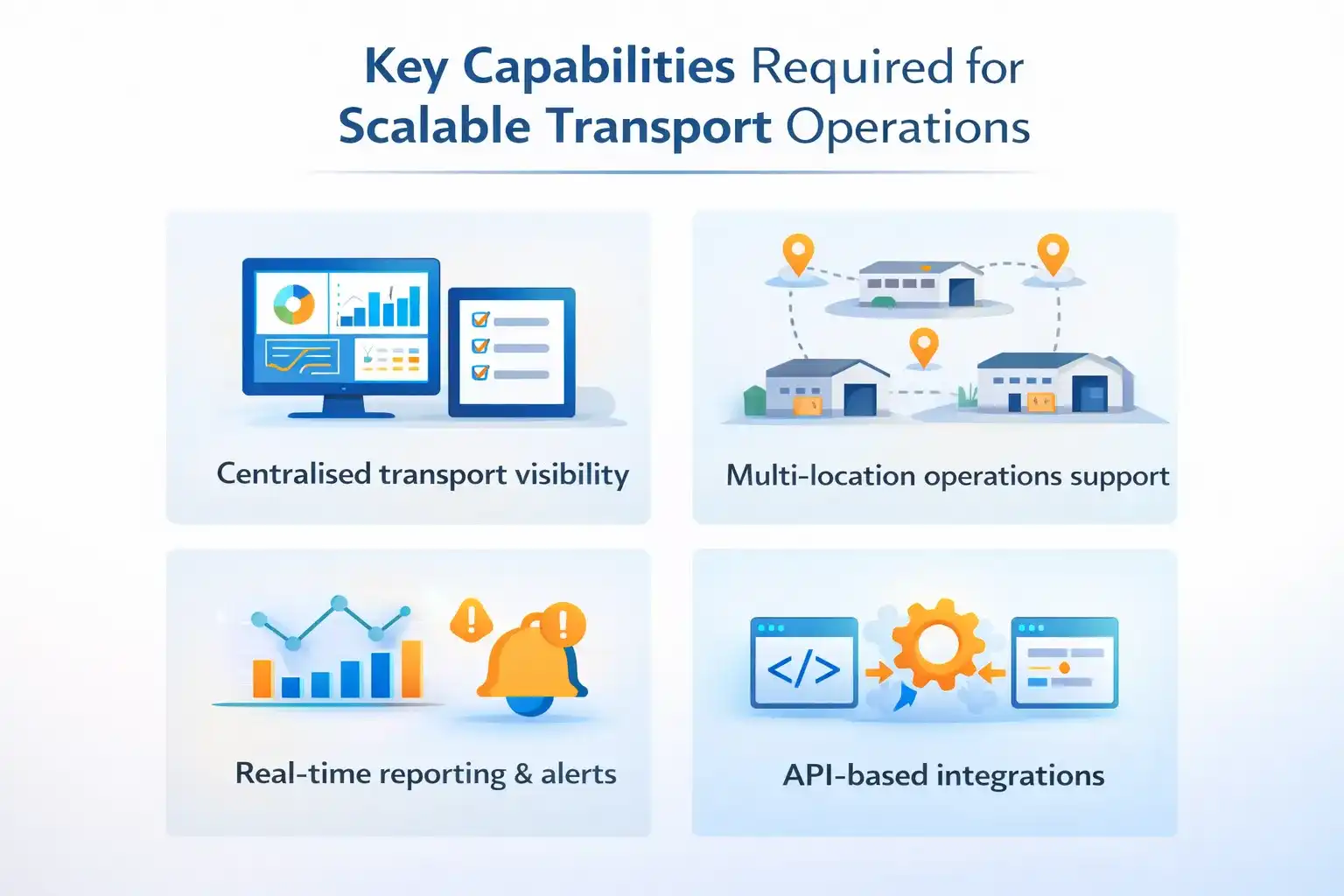
- Centralised Transport Visibility — A single dashboard showing vehicle locations, route progress, delays and exceptions
- Multi-Location Operations Support — Central control across hubs, warehouses, and regions; standardised processes without rigid structures
- Real-Time Reporting — Live operational metrics, performance trends, exception alerts
- API-Based Integrations — With ERP systems, fleet tracking platforms, compliance and billing tools
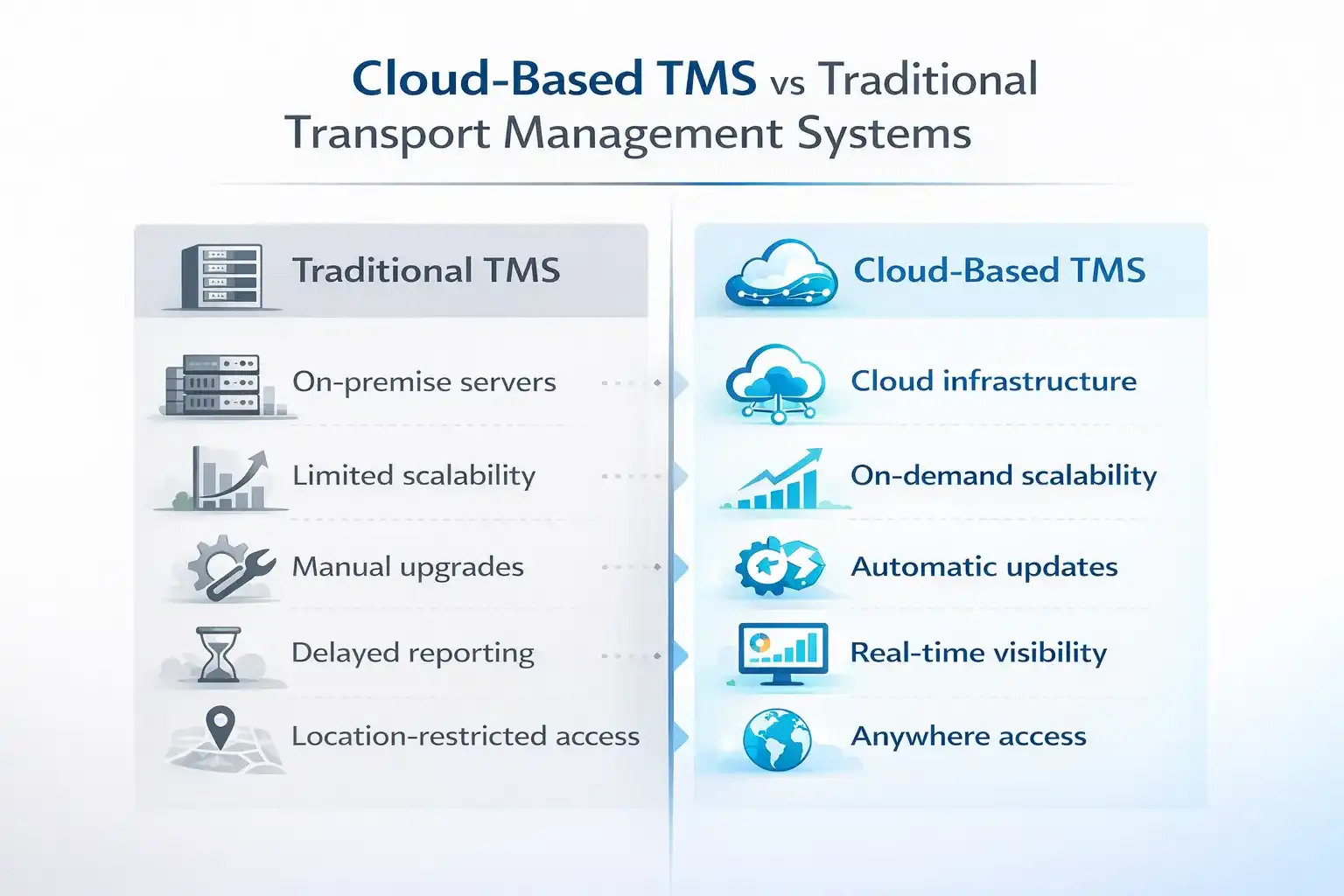
Cloud-Based TMS vs Traditional TMS
| Aspect | Cloud-Based TMS | Traditional TMS |
|---|---|---|
| Scalability | High, on-demand | Limited |
| Deployment | Fast | Time-consuming |
| Accessibility | Anywhere | Location-bound |
| Updates | Automatic | Manual |
| Integration | API-driven | Often restricted |
| Cost Model | Subscription-based | High upfront |
Common Mistakes When Choosing a Cloud TMS
Feature-Heavy, Intelligence-Light Tools
Many platforms offer long feature lists but limited insight into performance trends, root causes of delays, and cost drivers.
No Monitoring or Analytics Depth
Without monitoring, issues are detected late and decision-making depends on guesswork.
Poor Integration Readiness
A TMS that cannot integrate smoothly with existing systems becomes a data silo.
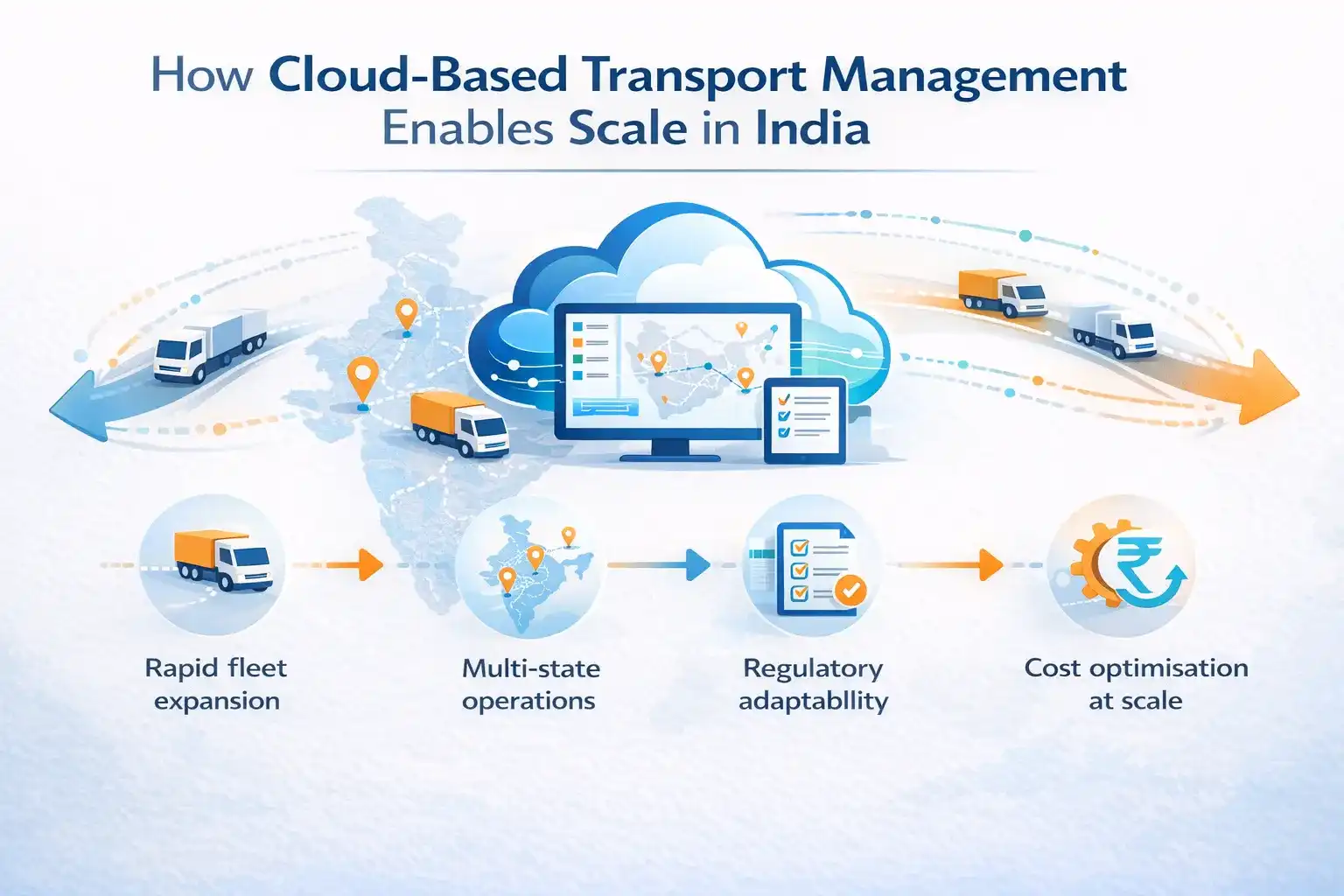
How Cloud-Based Transport Platforms Enable Scale (India Context)
Rapid Fleet Expansion
Cloud platforms handle addition of vehicles, routes, and delivery zones without structural changes.
Multi-Region Compliance
Cloud systems adapt faster to varying state regulatory requirements and reporting obligations across Indian logistics operations.
Cost Control at Scale
Cloud-based insights help identify fuel wastage, reduce idle time, and optimise routes across multi-state transport operations.
How to Evaluate Cloud-Based Transport Management Solutions
Buyer Checklist
- Does the platform scale without re-architecture?
- Is real-time visibility built in or layered on?
- Can it integrate with existing ERP and fleet systems?
- Does it support analytics beyond basic reporting?
- Is the system flexible across regions and fleet sizes?
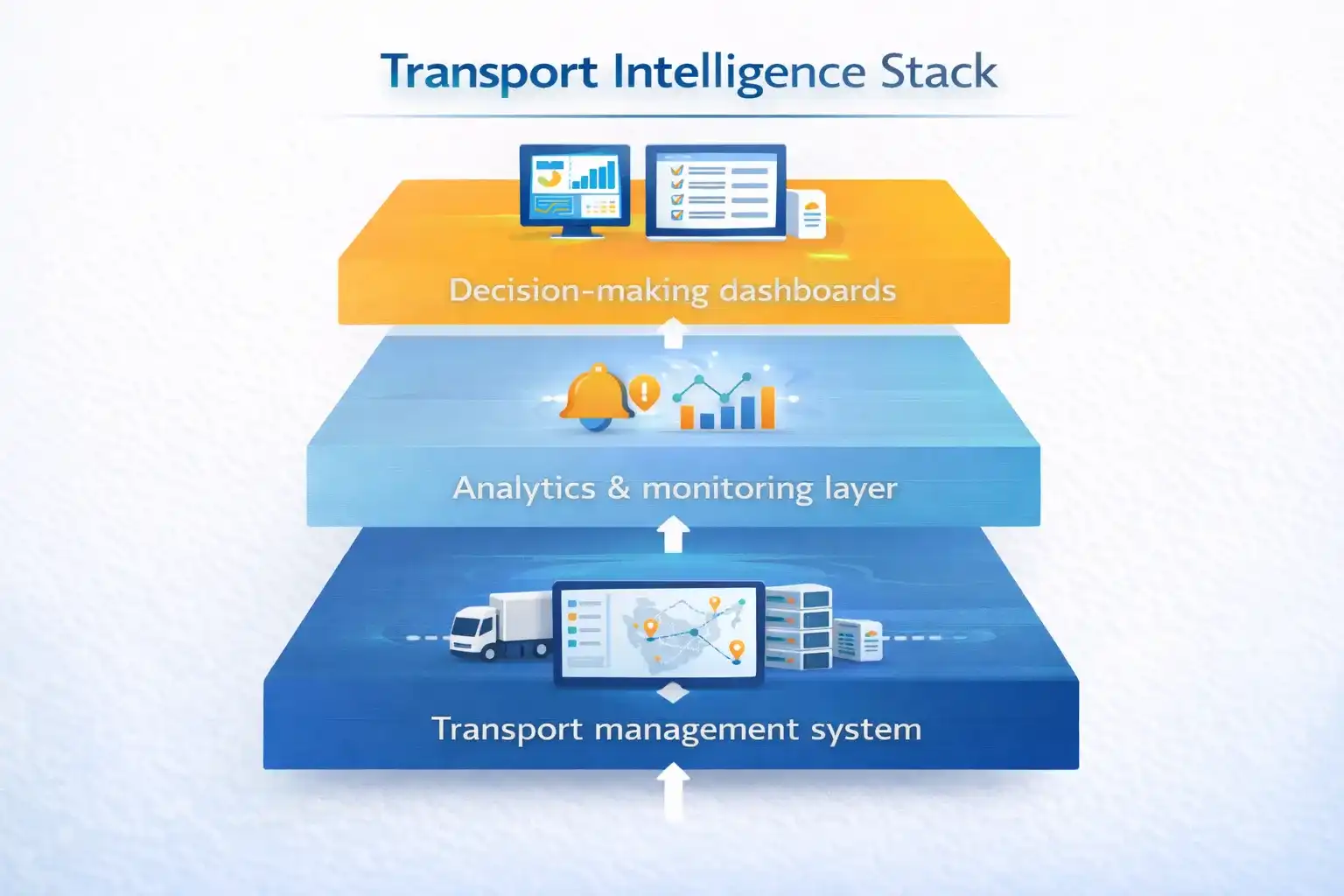
Where Cloud TMS Fits in a Broader Transport Intelligence Stack
Transport + Fleet + Compliance
Transport execution data gains value when combined with fleet behaviour insights, compliance monitoring, and safety and performance metrics.
Why Monitoring Matters Post-Implementation
Implementing a TMS is only the first step. Continuous monitoring ensures systems deliver expected outcomes, operations improve over time, and decisions are backed by real data.
Explore how transport management software for logistics can be combined with monitoring tools for long-term performance gains.
FAQs
Conclusion
Cloud-based transport management solutions remove many of the structural limits that slow-growing logistics operations. However, cloud alone does not guarantee better outcomes.
Scalable operations depend not just on software delivery models, but on how well transport data is monitored, analysed, and acted upon over time. When cloud platforms are paired with strong visibility and intelligence layers, they move from being operational tools to long-term growth enablers.
For organisations evaluating transport management solutions, understanding this distinction early can make the difference between simply managing transport and truly scaling it.
👉 Learn more about transport intelligence with Yatis Telematics