

OBD GPS Tracker vs Hardwired GPS Tracker: Which Is Better for Commercial Fleets?

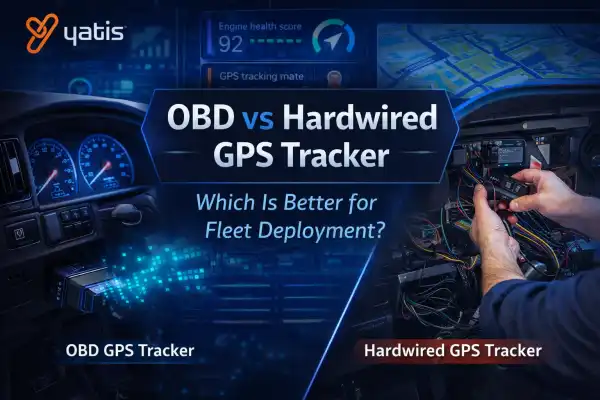
Choosing the right tracking technology is a critical decision for fleet operators. The debate between an OBD GPS tracker vs wired GPS tracker is not just about hardware—it directly impacts deployment speed, scalability, maintenance, and operational efficiency.
Both technologies provide vehicle tracking, but they differ significantly in installation, cost structure, and suitability for enterprise fleets. This guide explains the differences specifically from a commercial fleet deployment perspective, helping you choose the best solution for your operations.
What Is an OBD GPS Tracker?
An OBD GPS tracker is a plug-and-play telematics device that connects directly to the vehicle's OBD-II port, allowing access to both GPS location and vehicle diagnostics.
Key characteristics:
- Plug-and-play installation
- No wiring required
- Access to engine diagnostics
- Fast deployment across fleets
This makes OBD trackers especially effective for fleets that need rapid deployment and scalability.
What Is a Hardwired GPS Tracker?
A hardwired GPS tracker is installed directly into the vehicle's electrical system by connecting to power and ignition wires.
Key characteristics:
- Requires professional installation
- Permanently connected to vehicle power
- Hidden installation possible
- Stable long-term power supply
Hardwired trackers are typically used in high-security or specialized vehicle environments.
Installation Differences: Speed vs Permanence
Installation is one of the most important differences between these two systems.
OBD GPS Tracker Installation
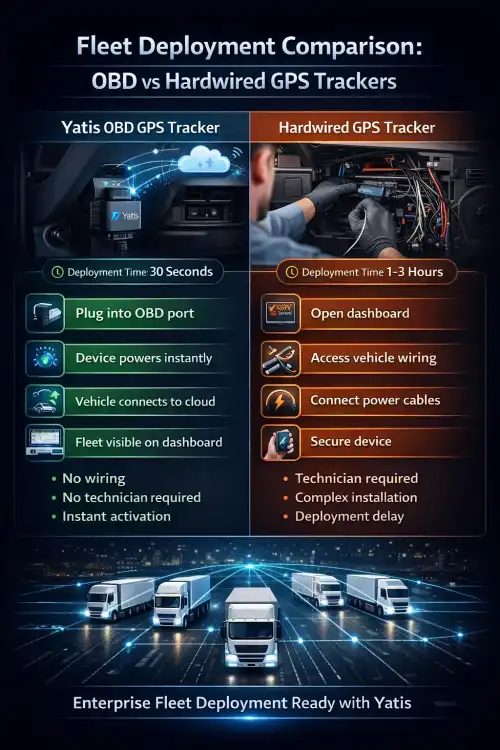
OBD GPS trackers are designed for instant deployment.
Installation process:
- Locate vehicle OBD port
- Plug in device
- Activate tracking platform
Installation time: 10–30 seconds per vehicle
No technician or wiring is required. This allows fleets to deploy trackers across hundreds of vehicles in a single day.
Hardwired GPS Tracker Installation
Hardwired trackers require manual installation.
Installation process:
- Access vehicle wiring
- Connect power and ignition wires
- Secure device inside dashboard
Installation time: 1–3 hours per vehicle
This requires trained technicians and increases deployment complexity.
Cost Comparison: Deployment and Operational Costs
Cost is not limited to hardware—it includes installation, maintenance, and scaling costs.
OBD GPS Tracker Cost Advantages
- Lower installation cost: No technician required
- Lower deployment time: Faster fleet rollout
- Lower downtime: Vehicles remain operational during installation
- Lower operational friction: Easy replacement and upgrades
For enterprise fleets, these savings become significant at scale.
Hardwired GPS Tracker Cost Considerations
- Higher installation cost: Technician required
- Higher deployment time: Slower rollout
- Higher upgrade cost: Requires reinstalling hardware
- Higher operational overhead: More complex maintenance
While hardware costs may be similar, installation and operational costs are significantly higher.

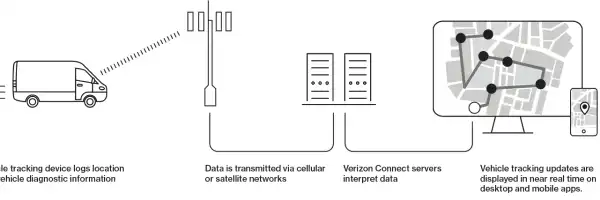
Maintenance Differences: Ease vs Complexity
Maintenance efficiency is critical in fleet operations.
OBD GPS Tracker Maintenance
OBD trackers are easy to maintain because they are plug-and-play.
Maintenance advantages:
- Easy replacement
- No technician required
- Minimal downtime
If a device fails, fleet operators can replace it instantly. This ensures continuous fleet visibility.
Hardwired GPS Tracker Maintenance
Hardwired trackers are more complex to maintain.
Maintenance challenges:
- Requires technician access
- Vehicle downtime required
- Higher repair cost
This increases operational disruption.
Enterprise Scalability: Critical Factor for Fleet Operators


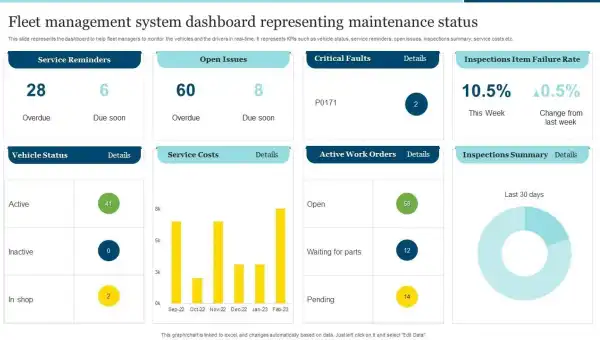
Scalability is where OBD GPS trackers provide a major advantage.
OBD GPS Tracker Scalability
OBD trackers enable rapid enterprise deployment.
Advantages include:
- Deploy across hundreds of vehicles quickly
- Easy device replacement
- Simple fleet expansion
- Minimal operational disruption
This makes OBD trackers ideal for growing fleets.
Hardwired GPS Tracker Scalability Limitations
Hardwired trackers create deployment bottlenecks.
Challenges include:
- Installation delays
- Technician dependency
- Higher scaling cost
This slows enterprise expansion.
Feature Comparison Table
| Feature | OBD GPS Tracker | Hardwired GPS Tracker |
|---|---|---|
| Installation time | Seconds | Hours |
| Installation cost | Low | High |
| Maintenance | Easy | Complex |
| Scalability | High | Limited |
| Vehicle diagnostics | Yes | Limited |
| Deployment speed | Fast | Slow |
| Fleet expansion | Easy | Difficult |

Which Is Better for Commercial Fleets?
For most commercial fleet operations, OBD GPS trackers provide superior advantages.
OBD GPS trackers are ideal for:
- Logistics fleets
- Delivery fleets
- Enterprise vehicle fleets
- Rental vehicle fleets
- Rapidly growing fleets
Hardwired trackers are better suited for:
- High-security vehicles
- Specialized vehicle environments
- Long-term fixed deployments
However, for most enterprise fleet operations, OBD trackers provide better scalability, lower cost, and faster deployment.
Why Enterprise Fleets Prefer OBD GPS Trackers
Enterprise fleets prioritize:
- Fast deployment
- Easy maintenance
- Scalability
- Operational efficiency
OBD GPS trackers align perfectly with these requirements.
Enterprise fleet platforms further enhance OBD trackers by providing:
- Real-time vehicle tracking
- Diagnostics monitoring
- Fleet analytics
- Preventive maintenance alerts
For enterprise deployment strategies, see: OBD GPS tracker for commercial fleets
Conclusion
When comparing OBD GPS tracker vs wired GPS tracker, the best choice depends on fleet size, deployment speed requirements, and operational priorities.
OBD GPS trackers provide:
- Faster installation
- Lower deployment cost
- Easier maintenance
- Better scalability
This makes them the preferred choice for most commercial fleet operations.
Hardwired trackers still serve specific use cases, but for modern enterprise fleet management, OBD GPS trackers offer superior flexibility and efficiency.
Frequently Asked Questions
Ready to Deploy OBD GPS Trackers?
Contact Yatis Telematics to learn how our OBD GPS tracking solutions can help your fleet achieve faster deployment, lower costs, and better scalability.
Contact Us →