

How GPS Tracking Reduces Fuel Theft: Protect Your Fleet and Lower Operating Costs

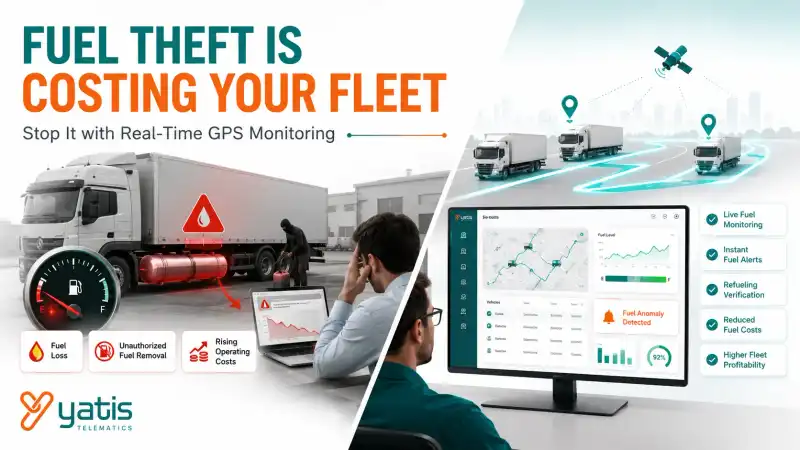
Fuel is one of the largest operating expenses for commercial fleets. For logistics companies, transport operators, construction businesses, mining fleets, and other commercial vehicle operators, even small amounts of fuel theft can accumulate into significant financial losses over time.
Unfortunately, fuel theft isn't always easy to detect. Fuel can be siphoned while vehicles are parked, misused during trips, or lost through unauthorized refueling without immediately appearing in routine operational reports.
A modern GPS Tracking System combined with fuel monitoring technology helps businesses move beyond manual fuel reconciliation by providing real-time visibility into both vehicle movement and fuel usage. If you're new to fleet tracking, our guide on How Does a GPS Tracking System Work? explains the technology behind real-time vehicle monitoring before exploring its role in fuel management.
Quick Takeaways
- Detect fuel theft in real time
- Monitor fuel levels remotely
- Receive instant fuel anomaly alerts
- Improve driver accountability
- Reduce fuel costs
- Increase fleet profitability
- Gain complete fuel visibility
At a Glance
| Fuel Management Challenge | GPS Tracking Solution |
|---|---|
| Fuel siphoning | Fuel level monitoring |
| Unauthorized fuel usage | Real-time alerts |
| Missing fuel records | Automated fuel reports |
| Manual fuel checks | Remote fuel monitoring |
| High fuel expenses | Fuel analytics |
| Limited accountability | Driver and vehicle tracking |
Why Fuel Theft Is a Major Challenge for Commercial Fleets
Fuel theft increases operating costs, reduces fleet profitability, and makes it difficult for businesses to accurately measure vehicle efficiency. GPS tracking with fuel monitoring helps identify fuel anomalies and improve operational transparency.
Fuel theft affects businesses in multiple ways beyond the immediate loss of fuel. It can lead to:
- Higher operating expenses
- Reduced profit margins
- Inaccurate fuel consumption records
- Difficulty evaluating fleet efficiency
- Increased administrative workload
- Lower operational accountability
Without reliable monitoring systems, identifying the source of fuel losses becomes a time-consuming process.
1. Detect Fuel Theft in Real Time
Traditional fuel audits often identify problems days or weeks after fuel has already been lost. GPS tracking integrated with fuel level sensors enables managers to monitor fuel activity in real time.
The system can detect sudden or unusual drops in fuel levels that don't correspond with normal vehicle operation. Examples include fuel siphoning while parked, unauthorized fuel removal, unexpected fuel level changes, and fuel loss outside approved operating hours. Receiving immediate alerts allows businesses to investigate incidents before they become recurring problems.
2. Monitor Fuel Levels Throughout Every Trip
Fuel consumption naturally changes during vehicle operation. GPS-based fuel monitoring continuously records fuel levels throughout each journey, making it easier to compare actual fuel usage with expected consumption.
Fleet managers can review starting fuel level, fuel consumed during the trip, refueling events, ending fuel level, and unexpected fuel losses. This level of visibility improves transparency across the entire fleet.
3. Improve Driver Accountability
One of the biggest advantages of combining GPS tracking with fuel monitoring is improved accountability. Because vehicle location, trip history, and fuel activity are recorded together, managers can investigate unusual fuel events using objective operational data.
Rather than relying on assumptions, businesses gain a complete picture of vehicle location, trip timeline, fuel level changes, refueling activity, and operational history—creating a more transparent and accountable fleet environment.
4. Receive Instant Fuel Anomaly Alerts
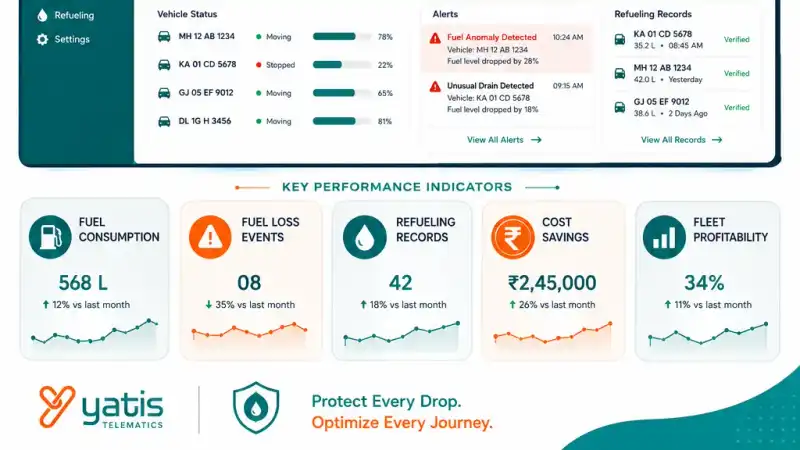
GPS tracking with fuel monitoring detects unusual fuel level changes in real time and automatically alerts fleet managers to potential fuel theft, unauthorized fuel removal, or abnormal fuel consumption.
One of the biggest limitations of manual fuel management is delayed detection. A GPS-enabled fuel monitoring system continuously tracks fuel levels and compares them against vehicle movement and engine activity. If unusual fuel loss is detected, managers receive instant notifications, allowing them to investigate immediately.
Common alert scenarios include:
- Sudden fuel level drops
- Fuel siphoning while the vehicle is parked
- Fuel loss with the engine switched off
- Fuel consumption exceeding expected levels
- Unauthorized fuel removal outside working hours
5. Identify Unauthorized Refueling Events
GPS tracking records every fuel refill event, enabling fleet managers to verify whether refueling occurred at approved locations, during authorized trips, and in expected quantities.
Fuel losses don't always occur through theft. In some cases, unauthorized or inaccurate refueling practices contribute to higher operating costs. A GPS fuel monitoring solution records refueling location, time of refueling, fuel quantity added, associated trip details, and vehicle location during refueling—allowing businesses to compare operational records with fuel transactions and identify inconsistencies.
6. Improve Fuel Consumption Analysis
GPS tracking helps businesses analyze fuel consumption by comparing vehicle movement, trip distance, idle time, and fuel usage, making it easier to identify inefficiencies and reduce operating costs.
Fleet managers can analyze fuel consumed per trip, fuel efficiency trends, idle fuel consumption, vehicle-wise fuel usage, and route-based fuel consumption. Businesses looking to maximize fuel savings should also understand how overall fleet efficiency contributes to GPS Tracking ROI.
7. Improve Fleet Accountability with Integrated GPS Data
GPS tracking improves accountability by linking vehicle location, trip history, fuel activity, and operational records into a single platform, making it easier to investigate fuel-related incidents.
Instead of reviewing multiple spreadsheets or fuel receipts, managers can access vehicle route history, fuel level timeline, refueling records, stop duration, engine status, and trip reports. For companies evaluating enterprise-grade platforms, our guide on 15 Features Every Commercial GPS Tracking System Should Have explains how integrated reporting improves fleet management.
8. Reduce Fuel Costs Across the Entire Fleet
GPS tracking reduces fuel costs by preventing fuel theft, improving fuel monitoring, identifying inefficient fuel usage, and helping fleet managers make data-driven operational decisions.
GPS tracking contributes to lower fuel costs by helping businesses detect fuel theft, monitor fuel consumption, reduce unnecessary fuel losses, improve vehicle utilization, optimize operational planning, and increase accountability. Even modest improvements in fuel efficiency can create substantial annual savings for fleets operating dozens or hundreds of vehicles.
9. Build a Smarter Fuel Management Strategy
Fuel management should be proactive rather than reactive. Instead of investigating discrepancies after they occur, businesses should continuously monitor fuel activity and use operational data to improve fleet performance.
An effective fuel management strategy includes real-time fuel monitoring, automated alerts, fuel consumption reporting, vehicle utilization analysis, trip verification, and operational dashboards. Combining these capabilities with a GPS Tracking System provides fleet managers with complete visibility into both vehicle operations and fuel usage.
10. Make Better Decisions with Fuel Analytics
GPS tracking helps businesses make better fuel management decisions by converting fuel level data, vehicle movement, and trip history into actionable analytics that improve fleet efficiency and reduce operating costs.
A modern GPS tracking platform provides reports that help fleet managers answer important operational questions: which vehicles consume the most fuel, which routes consistently have higher fuel usage, which vehicles show unusual fuel loss patterns, which drivers require further investigation, and which assets deliver the best fuel efficiency.
If you're evaluating reporting capabilities, our guide on 15 Features Every Commercial GPS Tracking System Should Have explains how dashboards and analytics support smarter fleet management.
Fuel Theft Challenges vs GPS Tracking Solutions
| Fuel Management Challenge | GPS Tracking Solution |
|---|---|
| Fuel siphoning | Real-time fuel level monitoring |
| Unauthorized fuel removal | Instant anomaly alerts |
| Manual fuel reconciliation | Automated fuel reports |
| Unverified refueling | Refueling event tracking |
| High fuel costs | Fuel consumption analytics |
| Limited accountability | Integrated GPS and fuel data |
| Undetected operational losses | Centralized fleet dashboard |
Industries That Benefit from Fuel Monitoring
Fuel monitoring delivers measurable value across many commercial fleet operations, including:
- Logistics & Distribution
- Trucking & Freight Transport
- Construction Equipment Fleets
- Mining Operations
- Oil & Gas Transportation
- Municipal Vehicle Fleets
- Public Transportation
- Agricultural Machinery
- Waste Management
- Fleet Rental Companies
Because fuel often represents one of the largest operating expenses, businesses in these sectors can significantly improve cost control through continuous fuel monitoring.
Common Mistakes Businesses Make When Managing Fleet Fuel
The most common fuel management mistakes include relying on manual fuel logs, investigating theft only after losses occur, ignoring fuel analytics, failing to monitor fuel levels continuously, and treating fuel management as a manual process.
1. Relying Only on Fuel Receipts
Fuel receipts confirm a purchase. They don't verify whether fuel reached the vehicle, whether fuel was later removed, or whether fuel consumption matches operational activity. GPS tracking combined with fuel monitoring provides a much clearer operational picture.
2. Investigating Fuel Theft Too Late
Many companies only investigate fuel discrepancies during monthly audits. By then, operational evidence may be unavailable, multiple incidents may have occurred, and financial losses have already accumulated. Real-time fuel alerts allow businesses to respond immediately.
3. Ignoring Fuel Consumption Trends
Fuel theft isn't always dramatic. Small recurring fuel losses often go unnoticed. Regular analysis of vehicle-wise fuel usage, trip fuel consumption, fuel refill history, and idle fuel consumption helps identify gradual losses before they become significant.
4. Separating Fuel Data from Fleet Operations
Fuel data should never exist in isolation. Combining vehicle location, trip history, engine status, fuel level, and driver activity creates complete operational visibility, allowing managers to understand why fuel consumption changed—not just that it changed.
5. Delaying the Adoption of Modern Fuel Monitoring
Many businesses continue using manual reconciliation processes because "that's how we've always done it." As fleet size grows, these manual methods become increasingly difficult to manage. Modern GPS tracking platforms automate much of this work, providing faster, more accurate visibility into fuel usage.
KPIs Every Fleet Manager Should Monitor
Fleet managers should monitor fuel-related KPIs such as fuel consumption, fuel efficiency, idle fuel usage, fuel loss events, refueling frequency, vehicle utilization, and fuel cost per kilometre to improve operational performance.
| KPI | Why It Matters |
|---|---|
| Total Fuel Consumption | Tracks overall fleet fuel usage |
| Fuel Cost per Kilometre | Measures operating efficiency |
| Fuel Efficiency | Compares vehicle performance |
| Fuel Loss Events | Detects potential theft |
| Refueling Frequency | Identifies unusual patterns |
| Idle Fuel Consumption | Highlights unnecessary fuel usage |
| Vehicle Utilization | Maximizes asset productivity |
| Fuel Cost per Vehicle | Compares fleet performance |
| Monthly Fuel Savings | Measures ROI of fuel monitoring |
Tracking these KPIs consistently enables businesses to detect abnormalities early, benchmark performance, and improve profitability.
Fuel Theft Prevention Checklist
Is Your Fleet Protected Against Fuel Theft?
Review your current operations.
- Fuel levels are monitored in real time.
- Fuel anomaly alerts are enabled.
- Every refueling event is recorded.
- Vehicle location is linked with fuel data.
- Managers receive automatic fuel reports.
- Fuel consumption trends are reviewed regularly.
- Fuel losses are investigated immediately.
- Fleet performance dashboards are used for operational planning.
If you answered No to several of these points, implementing GPS-based fuel monitoring can significantly improve fuel visibility and reduce avoidable losses.
Final Thoughts
Fuel theft remains one of the most preventable causes of unnecessary operating costs for commercial fleets. Without accurate visibility into fuel usage, businesses often rely on manual records, delayed audits, and assumptions that make it difficult to identify where losses are occurring.
By combining GPS tracking with intelligent fuel monitoring, organizations can monitor fuel levels in real time, detect unusual activity, verify refueling events, and make informed decisions based on accurate operational data.
Whether you operate logistics vehicles, transport fleets, construction equipment, mining assets, or service vehicles, investing in a GPS-enabled fuel monitoring solution helps improve profitability, strengthen accountability, and build a more efficient fleet. At Yatis, our Fuel Monitoring System, GPS Tracking System, and Fleet Management Platform work together to help businesses gain complete visibility into fuel consumption, reduce operational losses, and improve fleet performance.
Frequently Asked Questions
Ready to get started?
Contact Yatis Telematics to learn how GPS tracking with fuel monitoring can help protect your fleet from fuel theft and reduce operating costs.
Contact Us →