

7 Signs Your Fleet Has Outgrown Basic GPS Tracking

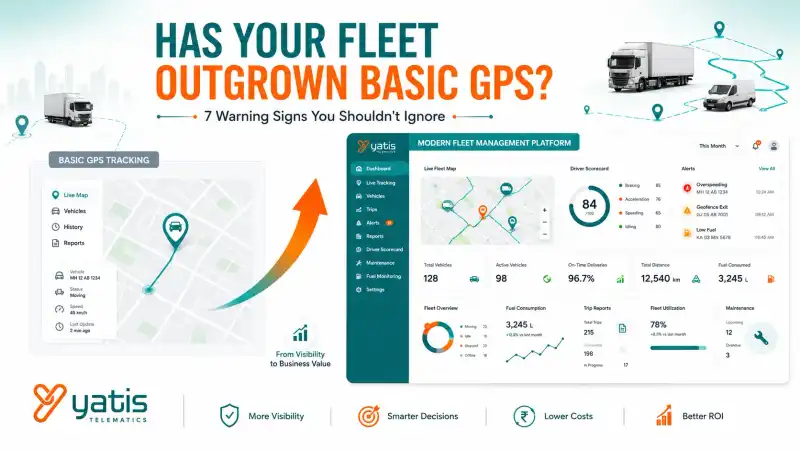
Many businesses start their fleet journey with a basic GPS tracker. Initially, that's enough. You can see where your vehicles are, check completed trips, and occasionally verify driver locations. But as operations grow, customer expectations increase, and fleets become more complex, basic tracking often struggles to keep up.
Fleet managers begin relying on manual follow-ups, spreadsheets, and phone calls to fill the gaps left by limited visibility. The result isn't just inconvenience—it can lead to slower decision-making, reduced productivity, and missed opportunities to improve operational efficiency.
The challenge isn't that your current GPS tracker has stopped working. The challenge is that your business has evolved, while your tracking capabilities haven't. So how do you know when it's time to upgrade? Here are seven clear signs that your fleet has outgrown basic GPS tracking.
Why Basic GPS Tracking Eventually Reaches Its Limits
A basic GPS tracker is designed to answer one question: "Where is my vehicle?" For a small fleet with simple operations, that may be enough. However, as your business grows, fleet management becomes less about location and more about operational visibility.
Managers need to understand why deliveries are delayed, which vehicles are underutilized, how drivers are performing, which assets require attention, and where operational inefficiencies exist. Basic tracking systems rarely provide this level of insight. That's when businesses begin looking for a more comprehensive fleet GPS tracking system.
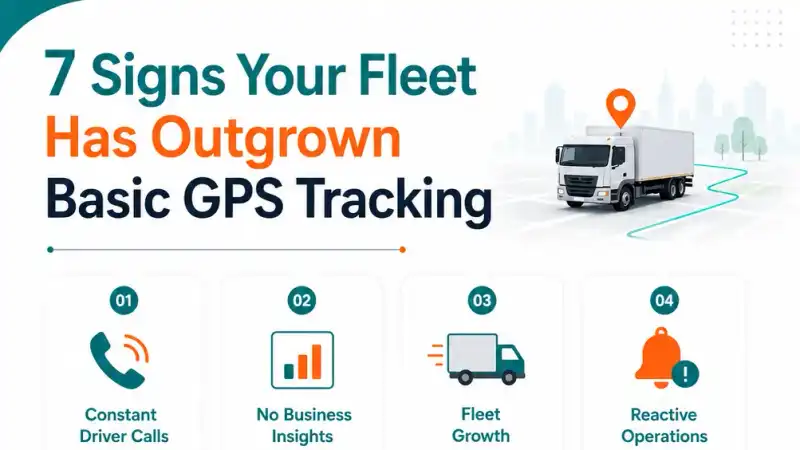
1. You're Still Calling Drivers for Status Updates
One of the biggest warning signs is that dispatchers or managers still rely on phone calls to understand what's happening on the road. Questions like "Where are you now?", "How much longer will the delivery take?", and "Have you reached the customer?" shouldn't require a phone call.
A modern fleet GPS tracking system provides live visibility, allowing teams to monitor vehicle movement, estimated arrival times, and trip progress from a single dashboard. If your operations still depend on manual updates, your current solution is no longer providing the visibility your business needs. Learn more about how this works in our guide on How Does a GPS Tracking System Work?
2. You Have Location Data but No Business Insights
Knowing where a vehicle is tells only part of the story. As fleets grow, managers need answers to operational questions such as which vehicles are being underutilized, which drivers spend the most time idling, which routes consistently experience delays, and which assets generate the highest operating costs.
Basic GPS trackers typically provide location data but very little operational context. An advanced fleet GPS tracking system transforms location information into actionable insights through reports, dashboards, and analytics. If your team spends hours exporting data into spreadsheets just to understand fleet performance, it's a strong sign that your tracking platform is limiting productivity rather than improving it. See our comparison of Real-Time GPS Tracking vs Historical Tracking to understand the difference.
3. Your Fleet Is Growing Faster Than Your Tracking System
Managing five vehicles is very different from managing fifty. As fleet size increases, manual processes that once worked become difficult to sustain. Dispatch teams often struggle with monitoring multiple vehicles simultaneously, assigning the nearest driver, tracking service commitments, and managing exceptions efficiently.
A basic tracking platform may still display vehicle locations, but it often lacks the scalability needed to manage a growing operation. Modern fleet GPS platforms are designed to centralize visibility, simplify dispatch, and support larger fleets without increasing administrative workload. If every new vehicle adds complexity instead of efficiency, your tracking system may no longer match the scale of your business.
4. You Can't Proactively Respond to Operational Issues
Operational delays rarely happen without warning. Vehicles may stop unexpectedly, remain idle for extended periods, or deviate from planned routes. The problem isn't that these events occur—the problem is discovering them too late.
Basic GPS trackers often require someone to constantly monitor the dashboard to identify issues. A commercial fleet GPS platform uses intelligent notifications to alert managers automatically when predefined events occur, such as extended idling, route deviations, overspeeding, unauthorized vehicle movement, ignition events, and unexpected stoppages. This allows fleet teams to focus on operations instead of continuously watching a screen.
5. Reporting Takes Too Much Manual Work
Ask yourself: how long does it take to prepare your weekly fleet report? If the answer involves downloading spreadsheets, combining data manually, and creating reports from scratch, your GPS platform is probably creating unnecessary work.
A commercial fleet GPS tracking system should automatically generate reports such as daily vehicle activity, trip summaries, driver performance, vehicle utilization, idle time, and distance travelled. Automated reporting reduces administrative effort while providing consistent information across departments. Instead of spending time compiling data, managers can spend more time acting on it.
6. Different Teams Can't Access the Information They Need
Fleet operations involve multiple stakeholders. Dispatch teams monitor daily movements. Operations managers review productivity. Senior leadership focuses on business performance. Maintenance teams monitor service schedules.
If everyone shares the same login—or relies on one person to export reports—the system quickly becomes a bottleneck. Modern fleet GPS platforms support role-based access, allowing different teams to view the information relevant to their responsibilities while maintaining data security. As organisations grow, controlled access becomes essential for efficient collaboration.
7. You're Solving Problems Instead of Preventing Them
Perhaps the clearest sign your fleet has outgrown basic GPS tracking is that your team spends most of its time reacting to problems. Customers call asking about delayed deliveries. Drivers report issues after they happen. Managers investigate incidents only after operations have already been affected.
Advanced fleet visibility shifts the focus from reacting to anticipating. With centralized dashboards, alerts, historical reporting, and operational analytics, managers can identify patterns before they become costly problems. The goal is no longer just knowing where vehicles are—it's understanding how the fleet is performing, and using that information to improve future operations.
What to Look for When Upgrading Your Fleet GPS Tracking System
Upgrading doesn't necessarily mean replacing every process. It means choosing a platform that supports the way your business operates today—and tomorrow. As you evaluate new solutions, look for capabilities such as:
- Live fleet visibility
- Historical trip history
- Intelligent alerts
- Driver behaviour monitoring
- Fleet reports and analytics
- Vehicle utilization insights
- Maintenance reminders
- Mobile application access
- API integrations
- Multi-user access
- Scalable cloud platform
The objective isn't to collect more data. It's to gain better operational visibility and make faster, more informed decisions. If you're still evaluating which capabilities matter most, our guide on 15 Features Every Commercial GPS Tracking System Should Have explains the essential functionality businesses should look for before investing in a new platform.
Final Thoughts
Basic GPS tracking is often the right starting point for small fleets. However, as operations become more complex, customer expectations increase, and business decisions depend on accurate operational data, basic tracking alone is rarely enough.
If your team is relying on manual updates, struggling with reporting, reacting to operational issues, or finding it difficult to scale, these are clear indicators that your fleet has outgrown a basic GPS tracking solution. The right fleet GPS tracking system should do more than display vehicle locations. It should help your business improve visibility, simplify fleet operations, increase accountability, and make better decisions with confidence.
At Yatis, we help businesses move beyond basic tracking by combining live fleet visibility, intelligent alerts, driver insights, and advanced reporting in a single, scalable GPS tracking platform designed for commercial fleet operations.
Frequently Asked Questions
Ready to get started?
Contact Yatis Telematics to see how a modern fleet GPS tracking system can help your growing business move from basic tracking to complete fleet intelligence.
Contact Us →